

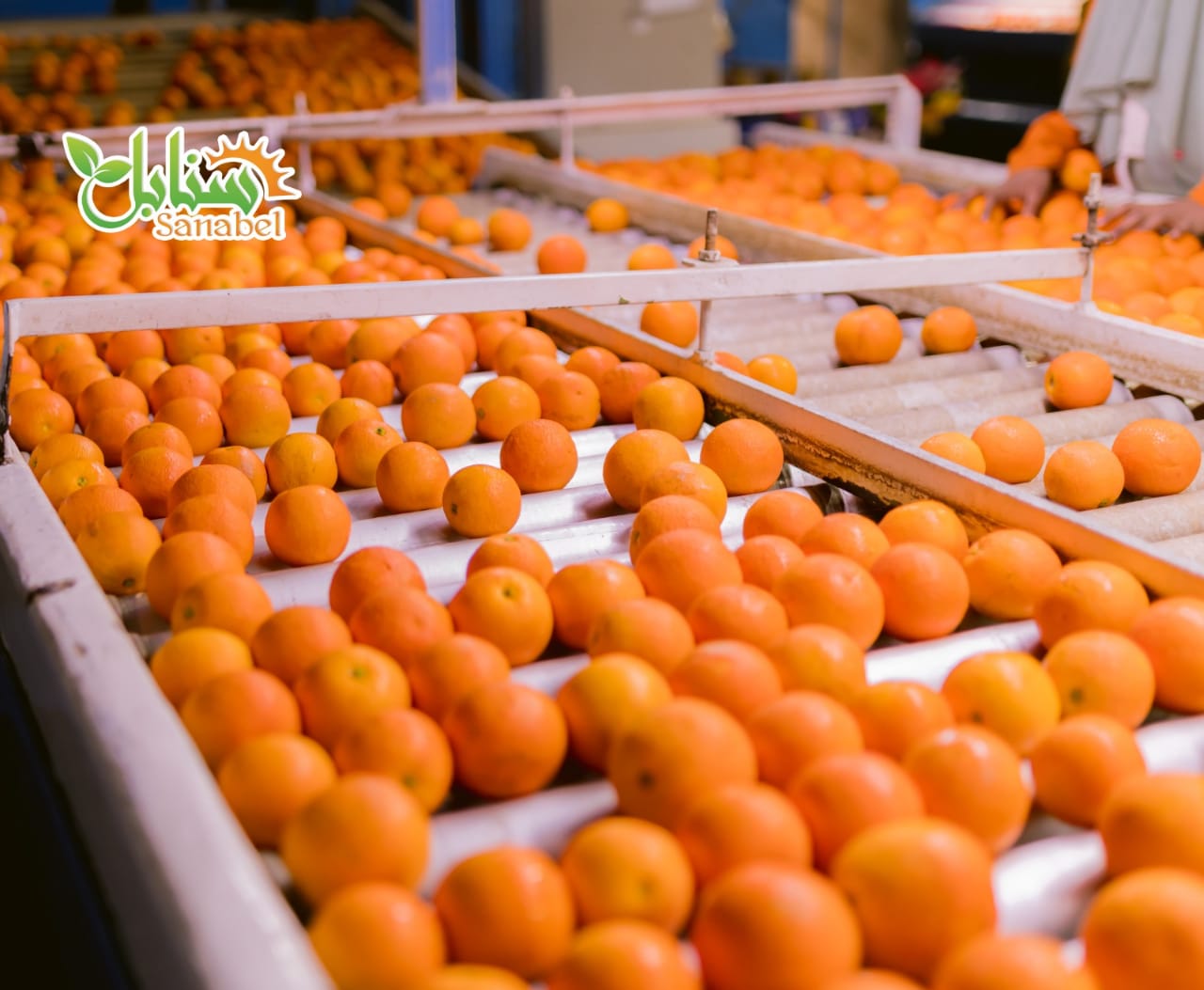
Egypt has long been recognized as one of the world’s leading citrus producers. Its favorable climate, fertile soil, and years of agricultural expertise allow the country to produce citrus that is not only flavorful but also visually appealing and long-lasting, making it a top choice in international markets. For businesses looking to export citrus from Egypt, understanding the different varieties, their characteristics, and the standards required for international trade is essential.
In this guide, we will explore the most popular Egyptian citrus varieties, the reasons behind their high demand, and tips for exporters seeking to meet global quality standards.
1. Why Egyptian Citrus Stands Out
Egyptian citrus fruits are highly valued internationally for several reasons:
Flavor and Sweetness: Egyptian oranges, mandarins, lemons, and other citrus varieties have a natural sweetness that appeals to a wide range of consumers.
Color and Appearance: Bright, vibrant colors make the fruits attractive on supermarket shelves and enhance consumer confidence.
Shelf Life: Proper harvesting and storage techniques ensure that Egyptian citrus can withstand long shipping times without losing freshness.
Diverse Varieties: The country produces a wide range of citrus fruits suitable for different market preferences, which gives exporters flexibility.
These qualities make Egyptian citrus a preferred choice for importers in Europe, the Middle East, and other international markets.
2. Popular Egyptian Citrus Varieties
Oranges
Egypt is famous for producing premium oranges with unique flavor profiles. Some of the most exported varieties include:
Valencia: Known for its juiciness and sweetness, Valencia oranges are ideal for both fresh consumption and juice production.
Navel: Recognized for its seedless nature and easy peeling, Navel oranges are popular in retail markets.
Baladi: A traditional Egyptian variety, Baladi oranges are appreciated for their strong flavor and adaptability to different climates.
Tangerines
Tangerines are another top export fruit. Varieties include:
Spanish : Sweet, aromatic, and easy to peel, making it a favorite for snacks.
Kanyan: Juicy and flavorful, suitable for both fresh consumption and juicing.
Baladi Mandarin: Traditional Egyptian type, with a rich taste and moderate sweetness.
Lemons
Egyptian lemons are known for their high juice content and refreshing acidity. Popular varieties are:
Adalian: High-quality lemon with a strong flavor, ideal for culinary and industrial use.
Shaeiry: A versatile lemon variety known for its durability and appealing appearance.
Mangoes
Egyptian mangoes are increasingly gaining international recognition due to their exceptional taste, color, and texture. Export-quality mangoes are harvested at peak ripeness and carefully packed to prevent damage during transit.
Grapes
Egypt produces premium grapes for export, including varieties that are seedless, sweet, and ideal for long-distance shipping. Proper handling ensures that the grapes arrive fresh and maintain their appearance for international buyers.
3. Understanding Brix Levels and Citrus Quality
One of the most important indicators of citrus quality is the Brix level, which measures the sugar content of the fruit. A higher Brix level indicates sweeter fruit, which is generally more desirable in export markets. Exporters monitor Brix levels to ensure consistent flavor and meet buyer expectations.
Other key quality factors include:
Size: Uniform fruit size is preferred by retailers and distributors.
Firmness: Fruits must be firm enough to withstand handling and long-distance shipping.
Defect-Free: Citrus should be free from blemishes, pests, or signs of disease.
Maintaining these quality standards is crucial for satisfying international importers and sustaining long-term partnerships.
3. Understanding Brix Levels and Citrus Quality
One of the most important indicators of citrus quality is the Brix level, which measures the sugar content of the fruit. A higher Brix level indicates sweeter fruit, which is generally more desirable in export markets. Exporters monitor Brix levels to ensure consistent flavor and meet buyer expectations.
Other key quality factors include:
Size: Uniform fruit size is preferred by retailers and distributors.
Firmness: Fruits must be firm enough to withstand handling and long-distance shipping.
Defect-Free: Citrus should be free from blemishes, pests, or signs of disease.
Maintaining these quality standards is crucial for satisfying international importers and sustaining long-term partnerships.
5. Packaging and Logistics for Export
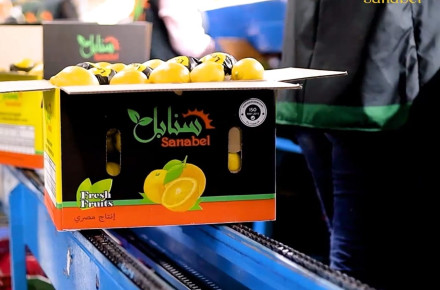
Proper packaging is essential to maintain fruit quality during transit. Egyptian exporters like SANABEL use:
Carton Boxes: Provide protection and allow for ventilation during shipping.
Plastic Crates: Offer durability and stackability, reducing damage risks.
Temperature-Controlled Shipping (Reefer Containers): Maintains optimal freshness throughout the journey.
Careful handling, packaging, and transport are critical to ensuring that the fruits reach international markets in excellent condition.
6. Choosing the Right Export Partner
Partnering with an experienced exporter is crucial for entering international markets successfully. A reliable exporter will:
Provide consistent supply of high-quality fruits.
Adhere to international safety and quality standards.
Offer flexible packaging and logistical solutions.
Understand the specific requirements of different markets.
Working with trusted exporters ensures that citrus arrives safely, meets buyer expectations, and strengthens long-term business relationships.
7. Why International Markets Demand Egyptian Citrus
International buyers prefer Egyptian citrus for its unique combination of quality, taste, and shelf-life. Key drivers of demand include:
Consistency: Regular availability of export-quality fruits.
Reputation: Egyptian citrus is known for its premium taste and appearance.
Variety: Wide selection of oranges, mandarins, lemons, mangoes, and grapes to cater to different market preferences.
Compliance: Adherence to global safety and quality standards reassures importers.
7. Why International Markets Demand Egyptian Citrus
International buyers prefer Egyptian citrus for its unique combination of quality, taste, and shelf-life. Key drivers of demand include:
Consistency: Regular availability of export-quality fruits.
Reputation: Egyptian citrus is known for its premium taste and appearance.
Variety: Wide selection of oranges, mandarins, lemons, mangoes, and grapes to cater to different market preferences.
Compliance: Adherence to global safety and quality standards reassures importers.
Recent Posts
The latest information about shipping services and our promotions
From Farm to Shipment: How Egyptian Citrus Is Prepared for Export
Egyptian citrus is globally recognized for its quality, freshness, and long shelf life. Behind every successful shipment lies a carefully managed process that ensures fruits meet international standards before reaching global markets. This article walks importers through the full journey of Egyptian citrus — from harvesting to final shipment.
Egyptian Citrus Standards: What Importers Should Know
Egyptian citrus fruits, especially oranges and lemons, have gained strong recognition in international markets due to their quality, freshness, and compliance with global export standards. For importers seeking reliable suppliers, understanding these standards is essential when choosing the right export partner.

Safety First: How Sanabel Ensures Compliance with Global MRL Standards
In the world of agricultural export, quality is not just about the size or color of the fruit; it is about what’s inside. At Sanabel, the health and safety of the end consumer are our top priorities. This is why we implement a rigorous system to manage Maximum Residue Limits (MRLs), ensuring our produce is safe, healthy, and compliant with international regulations.
Zesty & Fresh: The Secret Behind Sanabel’s Premium Egyptian Lemons
When life gives Egypt perfect weather, we grow the finest lemons in the world. At Sanabel, we understand that lemons are a staple in every kitchen and a vital ingredient in various industries. That is why we are committed to exporting only the juiciest, most vibrant, and aromatic lemons to our global partners.


