
Carton vs Plastic Packaging: Which Is Better for Fruit Export?

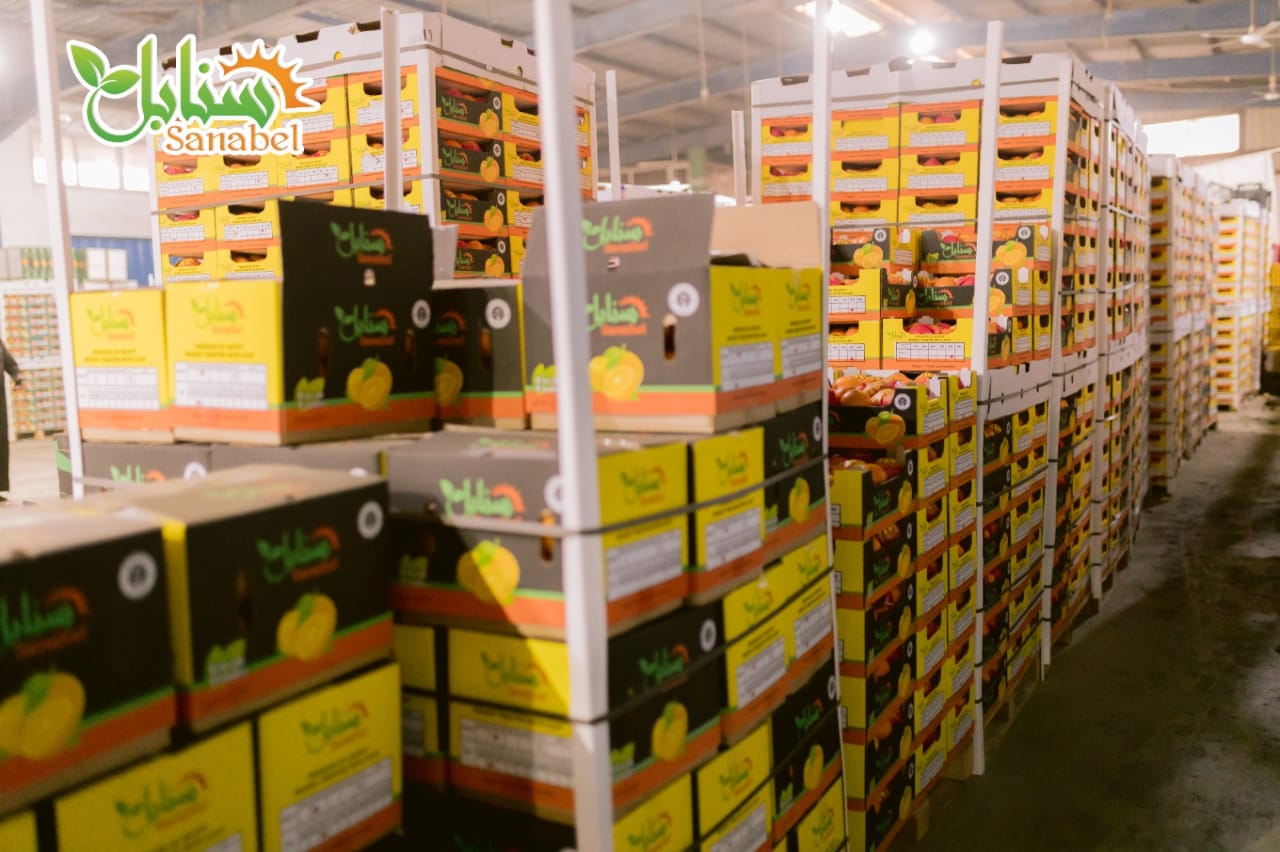
quality, freshness, and appearance of fruits from the farm to international markets. For exporters, choosing the right type of packaging can mean the difference between a successful shipment and losses due to damage, spoilage, or customer dissatisfaction. Two of the most commonly used packaging options for fruits are carton boxes and plastic crates. Both have their advantages and disadvantages, and understanding these differences is essential for exporters who want to deliver premium-quality produce to importers worldwide.
In this article, we explore the pros and cons of carton and plastic packaging, highlight best practices for packing citrus and other fruits, and provide guidance on selecting the optimal solution for different export needs.
1. The Importance of Proper Packaging in Fruit Export
Proper packaging serves multiple purposes in the export of fresh fruits:
Protection: Fruits are delicate and can be easily damaged during handling, transportation, and loading. Packaging must protect them from bruising, crushing, and contamination.
Preservation of Freshness: Packaging materials help maintain temperature and humidity levels, reducing spoilage and extending shelf life.
Compliance with International Standards: Many importers and countries require fruits to meet strict packaging regulations to ensure food safety and quality.
Branding and Presentation: Packaging also communicates professionalism and quality to buyers, enhancing the brand image of exporters like SANABEL.
Choosing the right packaging material is therefore a strategic decision that affects product quality, operational efficiency, and market reputation.
2. Carton Packaging for Fruit Export
Advantages of Carton Boxes
Carton boxes are widely used in the fruit export industry for several reasons:
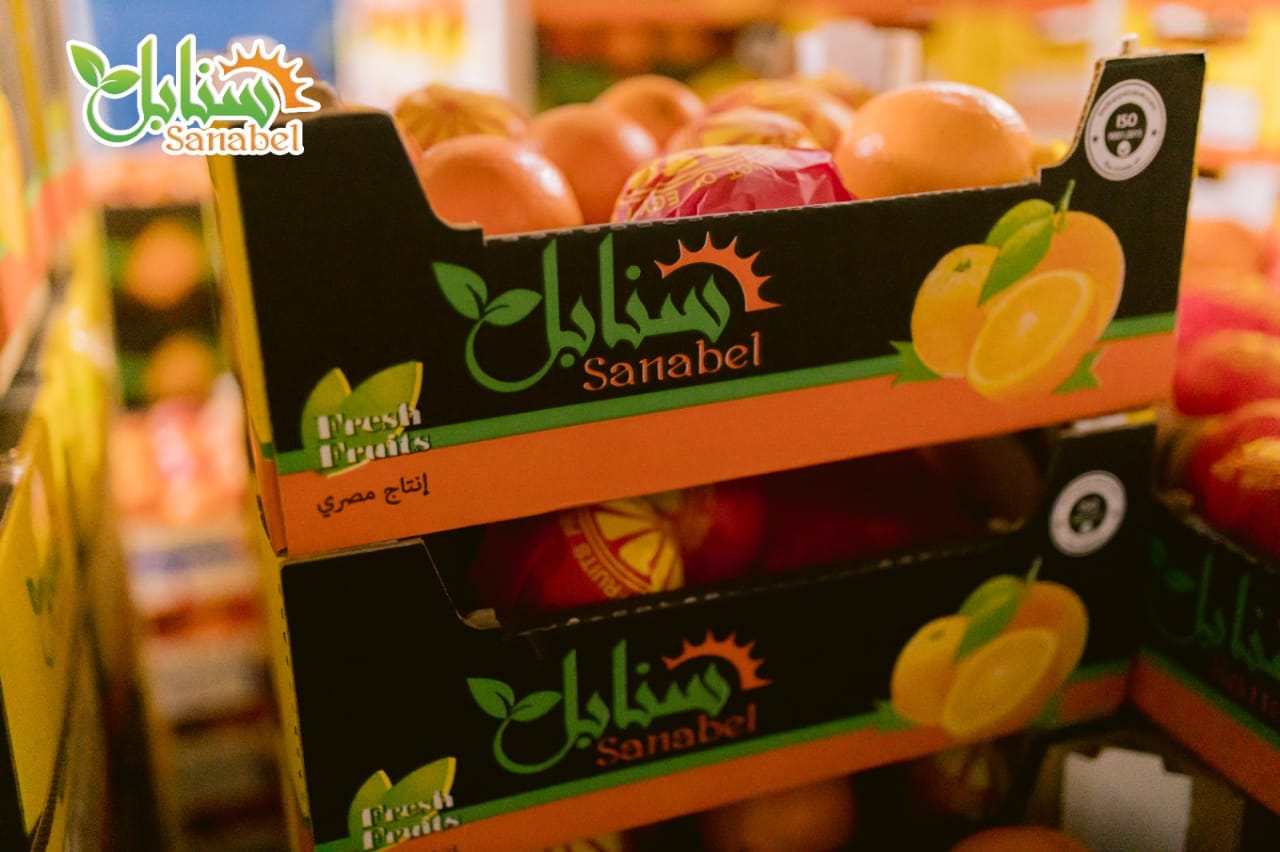
Lightweight: Cartons are relatively light, which helps reduce shipping costs, especially for air freight or long-distance transport.
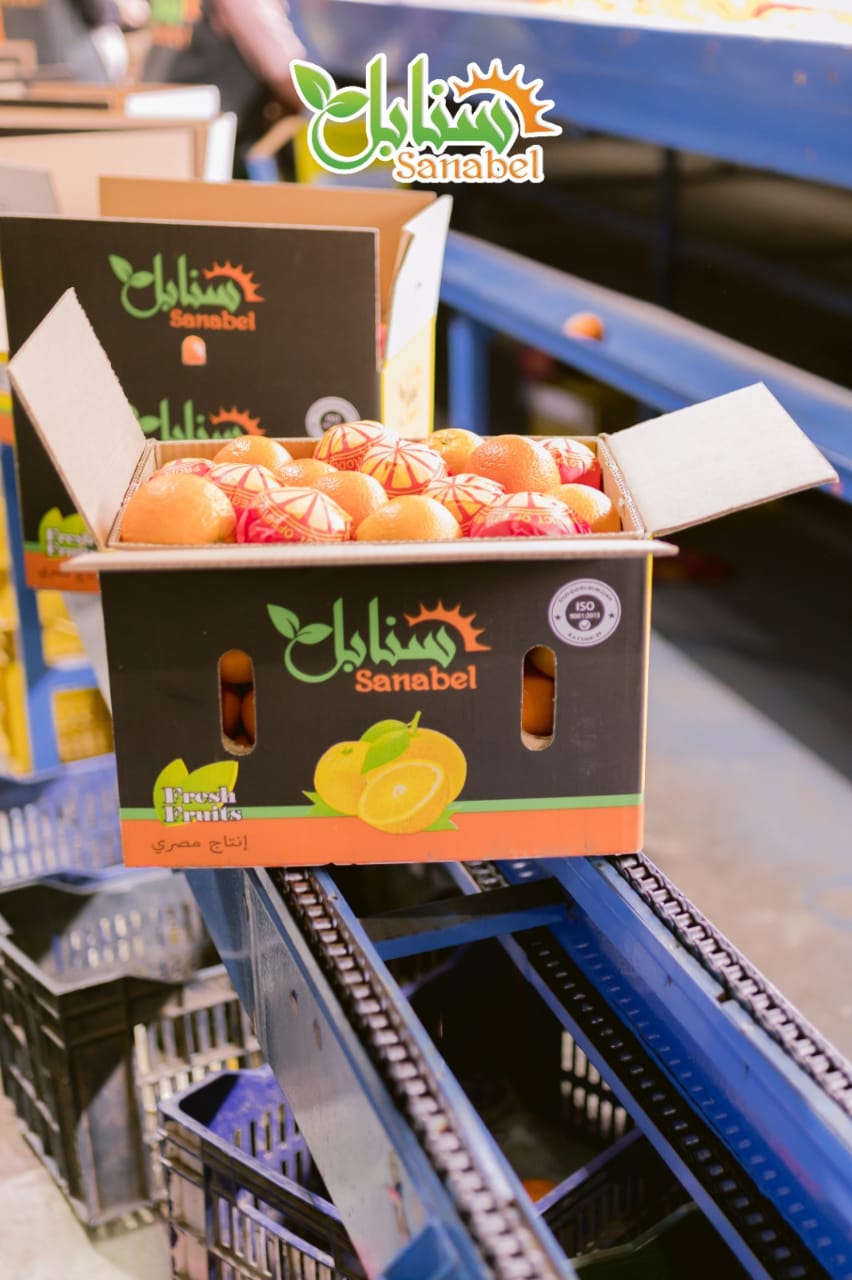
Ventilation: Many cartons are designed with ventilation holes, allowing air circulation to maintain freshness and reduce the risk of spoilage.
Cost-Effective: Carton boxes are generally less expensive than plastic crates, making them an economical choice for large shipments.
Customizable: Cartons can be printed with branding, logos, or product information, which adds a professional touch and marketing value.
Biodegradable Options: Some carton boxes are made from recyclable or biodegradable materials, appealing to environmentally conscious buyers.
Disadvantages of Carton Boxes
While cartons offer many benefits, there are also some drawbacks:
Durability: Carton boxes are more prone to damage from moisture, stacking pressure, or rough handling.
Limited Reusability: Unlike plastic crates, cartons are often used once and discarded, which may increase environmental impact if not recycled properly.
Weight Limits: Heavier fruits or large volumes may require additional support to prevent crushing of the boxes at the bottom.
3. Plastic Packaging for Fruit Export
Advantages of Plastic Crates
Plastic crates are another popular packaging option and are often preferred for certain types of fruit shipments:
Durability: Plastic crates are strong, resistant to moisture, and can withstand stacking without collapsing.
Reusable: They can be reused multiple times, reducing long-term packaging costs and environmental impact when managed properly.
Protection: Plastic crates provide excellent protection against physical damage, making them suitable for long-distance shipping.
Easy Cleaning: Plastic crates can be sanitized easily, ensuring hygienic conditions for sensitive fruits like grapes or mangoes.
Ventilation Options: Many plastic crates are designed with perforations or holes to allow airflow, which helps maintain freshness.
Disadvantages of Plastic Crates
Despite their advantages, plastic crates also have some limitations:
Higher Initial Cost: Plastic crates are more expensive upfront than cartons.
Weight: While not overly heavy, plastic crates are generally heavier than cartons, which can slightly increase transportation costs.
Space Consumption: When empty, plastic crates take up more space compared to collapsible cartons, which may affect storage and logistics.
4. Choosing the Right Packaging for Different Fruits
The choice between carton and plastic packaging depends on several factors, including the type of fruit, shipment distance, and importer requirements.
Citrus Fruits (Oranges, Mandarins, Lemons)
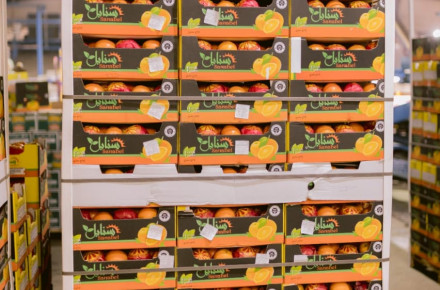
Carton boxes are often preferred for citrus fruits because they are lightweight, ventilated, and easy to stack.
For premium shipments, plastic crates can be used to protect the fruit during long-distance transport or for heavier varieties like Valencia oranges.
Mangoes and Grapes
Plastic crates are highly recommended due to the delicate nature of these fruits.
Grapes and mangoes require minimal bruising and constant airflow, which plastic crates can provide more effectively than cartons.
Mixed Fruit Shipments
Exporters sometimes use a combination of carton boxes and plastic crates, depending on the fruit type and shipment volume.
This approach ensures optimal protection and cost-efficiency while maintaining product quality.
5. Best Practices for Fruit Packaging
Regardless of the packaging material, exporters should follow best practices to ensure fruit arrives in perfect condition:
Proper Sorting: Only high-quality, defect-free fruits should be selected for export.
Correct Sizing: Fruits should be graded and sorted by size to fit packaging properly.
Padding: Use protective materials like foam, paper, or netting to prevent bruising.
Ventilation: Ensure adequate airflow to reduce humidity and prevent mold or spoilage.
Temperature Control: For long-distance shipments, especially overseas, maintain the cold chain using refrigerated containers.
Labeling: Clearly label cartons or crates with product information, handling instructions, and origin details to comply with import regulations.
6. Environmental Considerations
Both carton and plastic packaging have environmental implications:
Carton Boxes: Typically recyclable and biodegradable. Choosing eco-friendly carton materials can appeal to environmentally conscious markets.
Plastic Crates: Reusable and durable, which reduces waste over multiple shipments. Using recycled plastics further improves environmental impact.
Exporters like SANABEL balance product protection, cost-efficiency, and sustainability when selecting packaging materials for citrus and other fruits.
7. Conclusion
Choosing the right packaging is essential for successful fruit export. Both carton boxes and plastic crates offer distinct advantages and limitations:
Cartons are lightweight, cost-effective, and suitable for ventilated shipments, making them ideal for citrus fruits and short-to-medium distance exports.
Plastic crates are durable, reusable, and provide superior protection, especially for delicate fruits like mangoes and grapes or long-distance shipments.
Ultimately, the decision depends on fruit type, shipment duration, importer requirements, and cost considerations. By following best practices in sorting, sizing, ventilation, and temperature control, exporters can ensure that fruits arrive fresh, undamaged, and ready for the market.
For companies like SANABEL, combining high-quality fruits with the right packaging solutions ensures reliable delivery, satisfied customers, and a strong reputation in international markets.
Recent Posts
The latest information about shipping services and our promotions
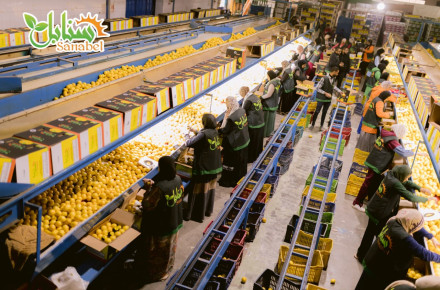
From Farm to Shipment: How Egyptian Citrus Is Prepared for Export
Egyptian citrus is globally recognized for its quality, freshness, and long shelf life. Behind every successful shipment lies a carefully managed process that ensures fruits meet international standards before reaching global markets. This article walks importers through the full journey of Egyptian citrus — from harvesting to final shipment.
Egyptian Citrus Standards: What Importers Should Know
Egyptian citrus fruits, especially oranges and lemons, have gained strong recognition in international markets due to their quality, freshness, and compliance with global export standards. For importers seeking reliable suppliers, understanding these standards is essential when choosing the right export partner.

Safety First: How Sanabel Ensures Compliance with Global MRL Standards
In the world of agricultural export, quality is not just about the size or color of the fruit; it is about what’s inside. At Sanabel, the health and safety of the end consumer are our top priorities. This is why we implement a rigorous system to manage Maximum Residue Limits (MRLs), ensuring our produce is safe, healthy, and compliant with international regulations.
Zesty & Fresh: The Secret Behind Sanabel’s Premium Egyptian Lemons
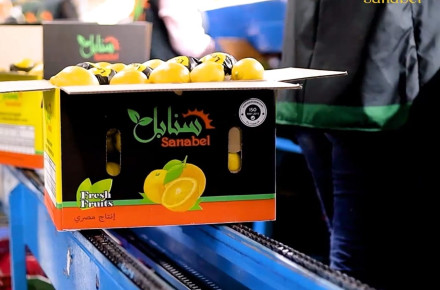
When life gives Egypt perfect weather, we grow the finest lemons in the world. At Sanabel, we understand that lemons are a staple in every kitchen and a vital ingredient in various industries. That is why we are committed to exporting only the juiciest, most vibrant, and aromatic lemons to our global partners.


