

Exporting fresh fruits requires more than just harvesting high-quality produce. The journey from farm to container is critical to maintaining the fruit’s freshness, appearance, and overall quality. For international buyers, consistent quality and safe handling are key factors in trusting a supplier. This article explains the step-by-step fresh fruit packing process, highlighting the methods used by leading exporters like SANABEL to ensure premium citrus, mangoes, grapes, and other fruits reach their destination in perfect condition.
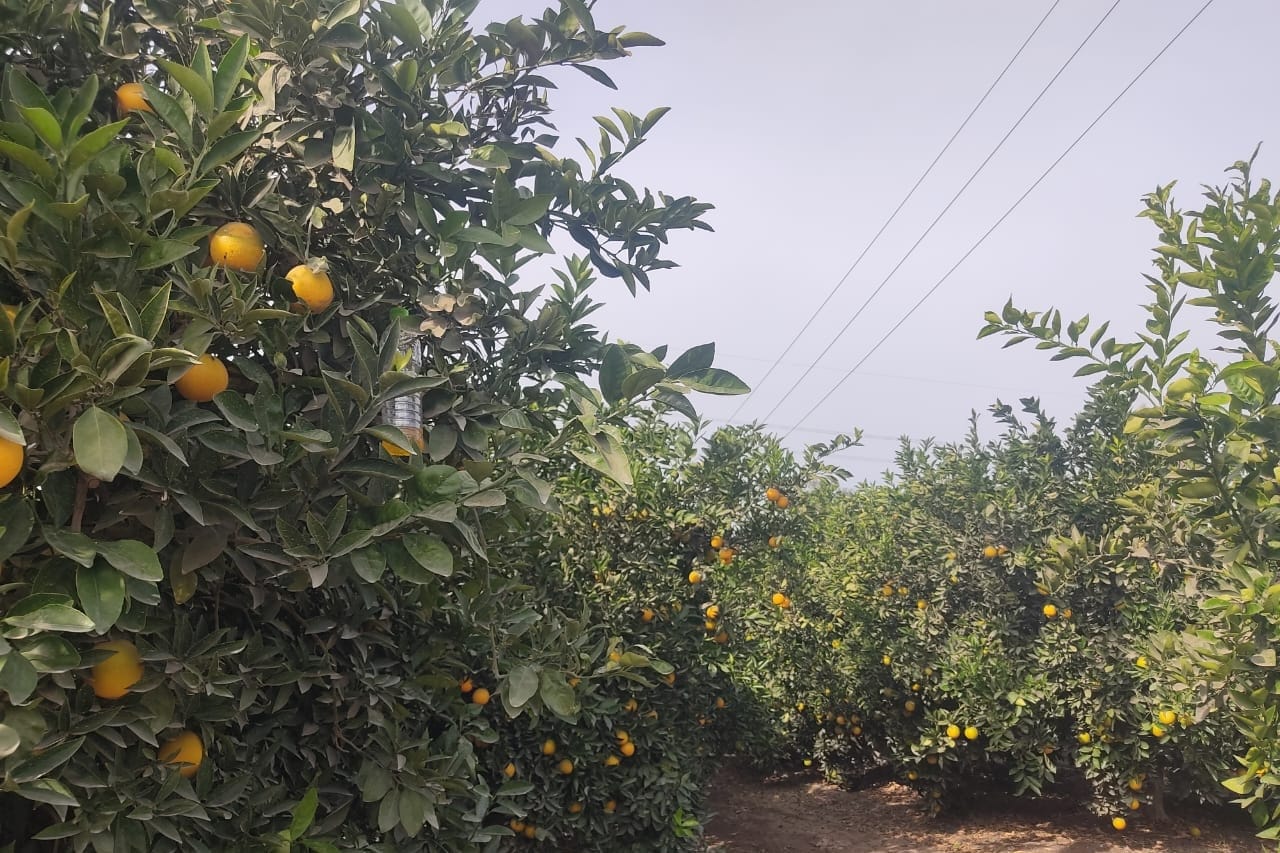
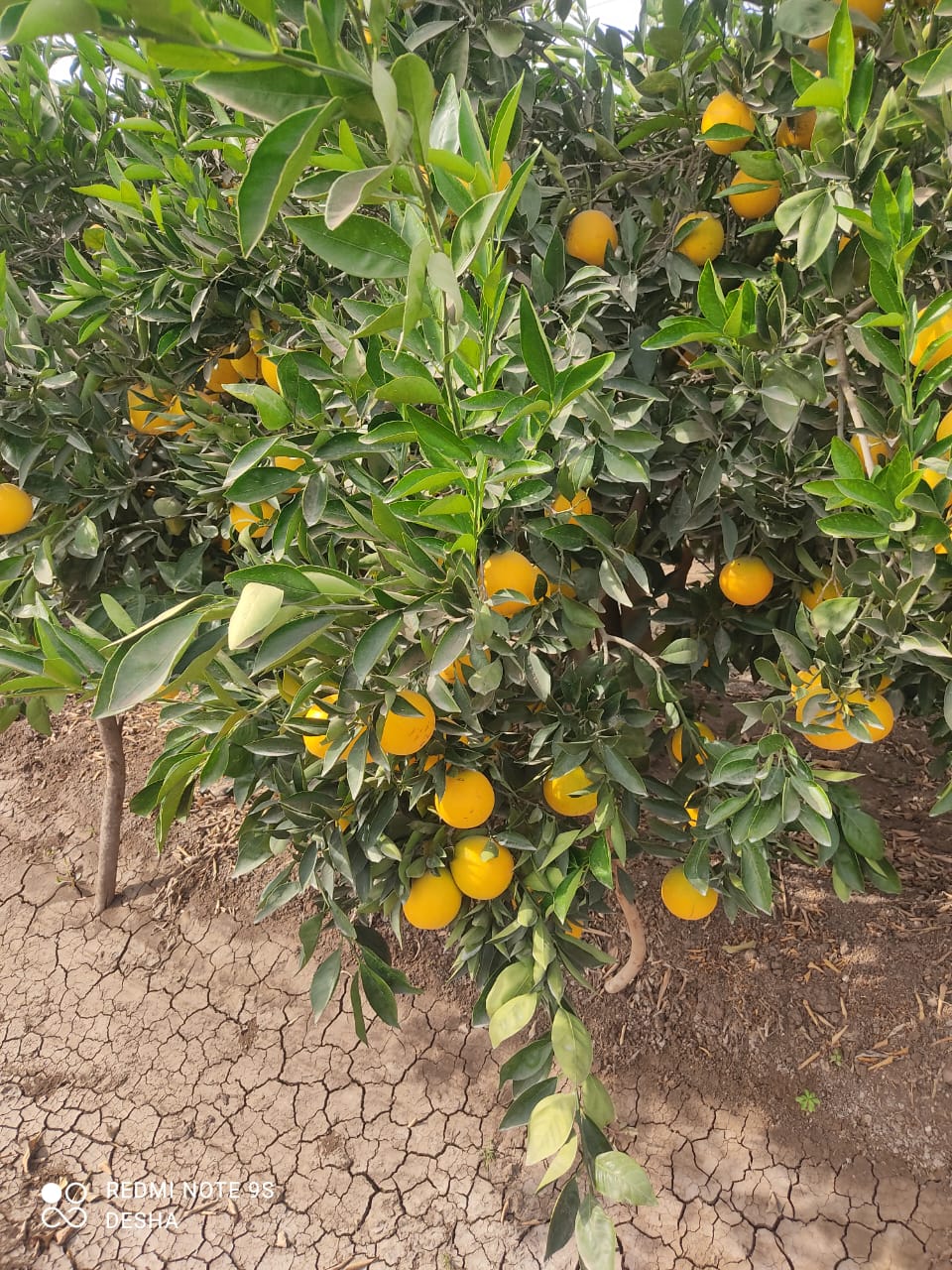
1. Harvesting the Fruit
The process begins at the farm. Proper harvesting techniques are essential to prevent damage and maintain quality:
Timing: Fruits are picked at optimal ripeness to ensure taste, color, and sugar content are ideal.
Handling: Workers carefully handpick the fruits to avoid bruising.
Initial Sorting: Damaged, diseased, or underdeveloped fruits are removed at the field level to maintain consistent quality.
By harvesting fruits at their peak, exporters guarantee that the produce entering the packing facility is of the highest standard.
2. Transport to the Packing Facility
Once harvested, fruits are transported to the packing facility:
Protection During Transport: Fruits are carefully loaded into crates or baskets to minimize bruising.
Temperature Control: Maintaining a cool environment during transport prevents early spoilage and extends shelf life.
Efficient logistics at this stage are crucial for preserving fruit quality before further processing.
3. Cleaning and Washing
At the packing facility, fruits undergo thorough cleaning:
Removal of Dirt and Residue: Fruits are washed to eliminate soil, pesticide residues, and other impurities.
Hygiene Standards: Modern packing houses comply with strict hygiene protocols to meet international food safety standards.
Clean fruit not only looks appealing but also reduces the risk of contamination during storage and shipment.
4. Sorting and Grading
Sorting and grading are essential steps to ensure uniformity and quality:
Size Sorting: Fruits are categorized by size to meet market specifications and ensure consistency in packaging.
Quality Grading: Fruits are inspected for color, texture, firmness, and sugar content (Brix level).
Defect Removal: Any fruit showing signs of disease, bruising, or imperfections is discarded or processed separately.
Proper sorting ensures that only premium fruits are exported, increasing buyer satisfaction and market reputation.
5. Waxing and Polishing (Optional)
Some fruits, especially citrus, undergo waxing and polishing:
Wax Application: A thin, food-grade wax layer is applied to enhance appearance and reduce moisture loss.
Polishing: This step improves the fruit’s visual appeal, making it attractive on supermarket shelves.
While optional, waxing and polishing help exporters meet the expectations of high-end international markets.
6. Packing and Packaging
Packing is one of the most crucial stages in the export process. SANABEL uses two main types of packaging:
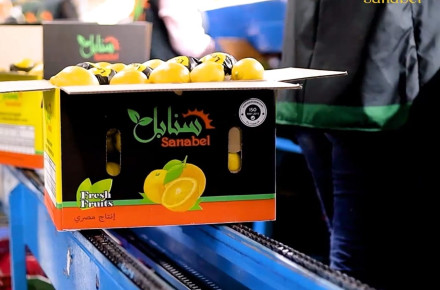
Carton Boxes: Lightweight, ventilated cartons suitable for citrus and other firm fruits. Cartons protect the fruit during transit and allow stacking without damage.
Plastic Crates: Durable and reusable, ideal for delicate fruits like mangoes and grapes, especially for long-distance shipments.
Fruits are carefully arranged in the boxes or crates, often with padding materials to prevent bruising. Packaging also includes labeling with product information, origin, and handling instructions to comply with international import requirements.
7. Quality Control Checks
Quality control is conducted at multiple stages:
Visual Inspection: Ensures uniform color, shape, and absence of defects.
Brix Level Testing: Measures sugar content for sweetness and flavor consistency.
Weight and Size Verification: Confirms adherence to market and importer specifications.
These checks guarantee that only fruits meeting strict export standards are shipped, maintaining the brand’s reputation for quality.
8. Palletizing and Container Loading
After packing, fruits are prepared for shipment:
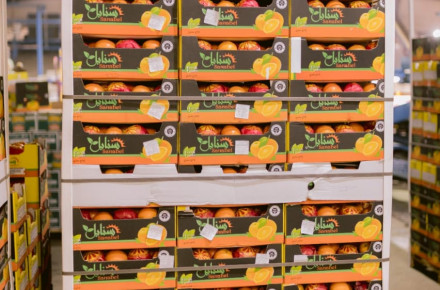
Palletizing: Boxes and crates are stacked on pallets for easy handling and stability during transport.
Temperature-Controlled Containers (Reefers): Fruits are loaded into refrigerated containers to maintain optimal temperature throughout the journey.
Securing Load: Pallets are secured to prevent movement and damage during transit.
Proper palletizing and container loading are critical to ensure fruits arrive fresh and undamaged.
9. Transportation and Logistics
Transporting the packed fruits from the packing facility to the importer involves:
Cold Chain Management: Maintaining consistent temperatures is essential for long-distance shipments.
Timely Delivery: Efficient logistics ensure the fruits reach international markets on schedule.
Documentation: Shipping documents, phytosanitary certificates, and compliance records are prepared for customs clearance.
A robust logistics system ensures that the fruits maintain their quality and meet all international trade requirements.
10. Importance of the Packing Process
The packing process directly impacts the success of fruit exports:
Maintains Freshness: Proper handling and packaging preserve taste, color, and texture.
Reduces Losses: Minimizes spoilage and damage during transport.
Ensures Compliance: Meets international safety and quality standards, increasing buyer confidence.
Strengthens Brand Reputation: Professional packing reflects the exporter’s commitment to quality, reliability, and customer satisfaction.
By following a meticulous packing process, exporters like SANABEL can consistently deliver premium Egyptian fruits to international markets.
Conclusion
From the farm to the container, every step in the fresh fruit packing process is critical to ensuring high-quality, export-ready produce. Proper harvesting, cleaning, sorting, packing, and logistics guarantee that fruits like oranges, mandarins, lemons, mangoes, and grapes reach international buyers in perfect condition.
Exporters who invest in professional packing processes, use appropriate packaging materials like carton boxes and plastic crates, and maintain strict quality control standards can establish strong, long-term relationships with global importers.
For companies sourcing premium Egyptian fruits, partnering with experienced exporters ensures a seamless supply chain, consistent quality, and reliable delivery—key factors in thriving in competitive international markets.
Recent Posts
The latest information about shipping services and our promotions
From Farm to Shipment: How Egyptian Citrus Is Prepared for Export
Egyptian citrus is globally recognized for its quality, freshness, and long shelf life. Behind every successful shipment lies a carefully managed process that ensures fruits meet international standards before reaching global markets. This article walks importers through the full journey of Egyptian citrus — from harvesting to final shipment.
Egyptian Citrus Standards: What Importers Should Know
Egyptian citrus fruits, especially oranges and lemons, have gained strong recognition in international markets due to their quality, freshness, and compliance with global export standards. For importers seeking reliable suppliers, understanding these standards is essential when choosing the right export partner.

Safety First: How Sanabel Ensures Compliance with Global MRL Standards
In the world of agricultural export, quality is not just about the size or color of the fruit; it is about what’s inside. At Sanabel, the health and safety of the end consumer are our top priorities. This is why we implement a rigorous system to manage Maximum Residue Limits (MRLs), ensuring our produce is safe, healthy, and compliant with international regulations.
Zesty & Fresh: The Secret Behind Sanabel’s Premium Egyptian Lemons
When life gives Egypt perfect weather, we grow the finest lemons in the world. At Sanabel, we understand that lemons are a staple in every kitchen and a vital ingredient in various industries. That is why we are committed to exporting only the juiciest, most vibrant, and aromatic lemons to our global partners.


