

Transporting fresh fruits from farms to international markets is a critical step in the export process. Even the highest quality produce can lose value if it arrives damaged, spoiled, or substandard. For exporters and importers alike, reducing losses during transportation is not only a matter of financial efficiency but also essential for maintaining trust, reputation, and long-term partnerships.
In this article, we explore the main causes of fruit losses during transportation, and provide detailed strategies to minimize damage, preserve freshness, and ensure that fruits arrive in optimal condition.
1. Understanding the Challenges of Fresh Fruit Transportation
Fresh fruits are perishable and delicate, which makes transportation a complex task. Several factors contribute to losses during transit:
Physical Damage: Fruits can be bruised, crushed, or punctured during handling, stacking, or movement within the container.
Temperature Fluctuations: Fruits are sensitive to heat and cold; improper temperature control can accelerate ripening, spoilage, or decay.
Humidity and Moisture: Excess moisture can lead to mold growth, while too little can cause dehydration and shriveling.
Improper Packaging: Using unsuitable boxes or crates, or failing to secure the load properly, increases the risk of damage.
Delayed Logistics: Late shipments or inefficient routes can reduce shelf life and fruit quality.
Understanding these challenges is the first step toward implementing effective loss-reduction strategies.
2. Selecting the Right Packaging
Proper packaging is essential to protect fruits during transport:
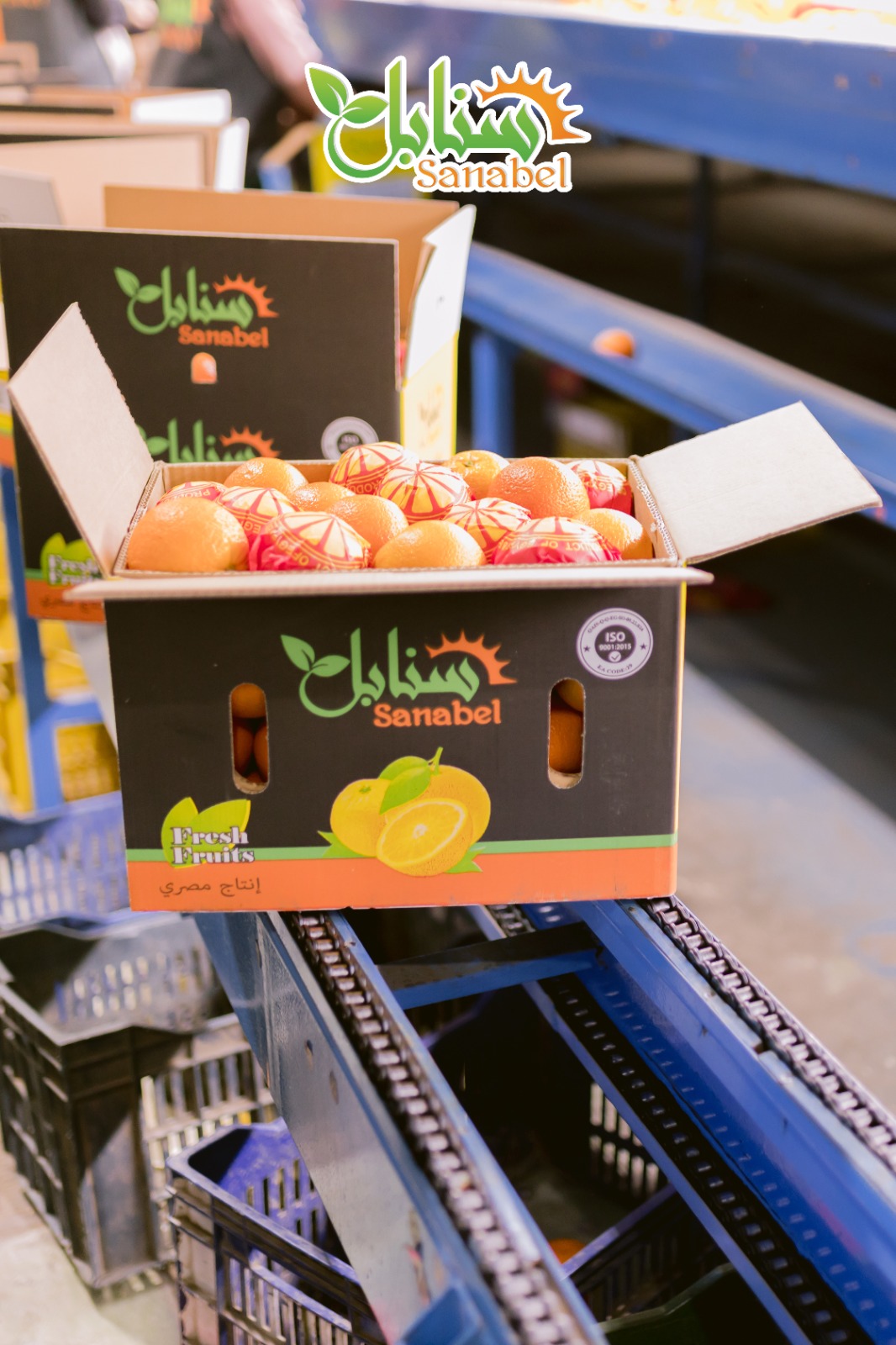
Carton Boxes: Lightweight and ventilated, cartons are ideal for citrus and other firm fruits. Ensure boxes are sturdy enough to support stacking.
Plastic Crates: Durable and reusable, plastic crates provide better protection for delicate fruits like mangoes and grapes.
Padding Materials: Foam, netting, or paper padding helps prevent bruising and movement inside the boxes or crates.
Using the right packaging material reduces physical damage and maintains the appearance and integrity of the fruit during long-distance shipments.
3. Temperature Control and Cold Chain Management
Temperature control is crucial for maintaining freshness:
Refrigerated Containers (Reefers): Using temperature-controlled shipping containers ensures fruits remain within the ideal range for their type.
Monitoring Devices: Temperature and humidity sensors help track conditions during transit and alert exporters to any deviations.
Cold Chain Continuity: Maintaining a consistent cold chain from the packing facility to the importer prevents premature ripening or spoilage.
Proper temperature management is particularly important for highly perishable fruits such as grapes, mangoes, and certain citrus varieties.
4. Sorting and Quality Control Before Shipment
Before loading fruits for transportation, exporters should conduct thorough sorting and quality control:
Defect Removal: Any bruised, damaged, or diseased fruits should be removed to prevent contamination or accelerated spoilage.
Size Grading: Uniform fruit sizes allow for better stacking and reduce pressure points that can cause crushing.
Brix Level Verification: For citrus, checking sugar content ensures the fruits meet the expected taste and market standards.
Implementing strict quality control reduces losses and ensures that only premium-grade fruits are shipped.
5. Proper Handling and Loading Techniques
Even with ideal packaging and temperature control, poor handling can still cause significant losses:
Careful Loading: Fruits should be loaded gently into containers to prevent crushing.
Avoid Overstacking: Overloading cartons or crates can lead to pressure damage at the bottom layers.
Securing the Load: Use pallets, straps, or other stabilizing materials to minimize movement during transit.
Minimizing Manual Handling: Reducing the number of times fruits are handled decreases the risk of bruising or damage.
Following these practices ensures that fruits remain intact throughout the transportation process.
6. Choosing the Right Transportation Method
The method of transport affects fruit quality:
Sea Freight: Common for large shipments; requires refrigerated containers and careful scheduling to prevent delays.
Air Freight: Faster, ideal for highly perishable fruits, though more expensive.
Road Transport: Effective for regional shipments; vehicles must be well-maintained and temperature-controlled.
Selecting the appropriate mode of transport based on fruit type, shipment size, and destination helps minimize losses.
7. Monitoring and Documentation
Keeping detailed records and monitoring shipments can prevent problems:
Shipment Tracking: GPS and monitoring systems allow exporters to follow the container in real-time.
Condition Reports: Documenting temperature, humidity, and handling conditions provides accountability and insight into any issues.
Compliance Certificates: Phytosanitary certificates and quality assurance documents reassure importers that fruits meet international standards.
Effective monitoring ensures any potential issues are addressed promptly, reducing the risk of losses.
8. Training Staff and Partners
Human error is a major cause of fruit losses. Training staff and logistics partners is critical:
Handling Training: Educate workers on proper fruit handling techniques.
Awareness of Fruit Sensitivity: Staff should understand which fruits are more delicate and require extra care.
Emergency Procedures: Train personnel to manage temperature fluctuations, delays, or container issues.
A knowledgeable team significantly reduces the likelihood of damage during transit.
9. Summary of Best Practices
To reduce losses during fresh fruit transportation, exporters should focus on:
High-Quality Packing Materials: Choose carton boxes or plastic crates suitable for the fruit type.
Temperature and Humidity Control: Maintain an uninterrupted cold chain.
Sorting and Quality Assurance: Ensure fruits are defect-free, correctly sized, and meet market standards.
Proper Handling and Loading: Avoid overstacking and rough handling; secure the load.
Monitoring and Documentation: Track shipments and maintain records for accountability.
Staff Training: Educate workers on safe handling, emergency procedures, and fruit sensitivity.
Implementing these strategies ensures that fruits arrive fresh, visually appealing, and ready for sale, minimizing losses and maximizing profitability.
10. Conclusion
Reducing losses during fresh fruit transportation is critical for successful exports. From selecting the right packaging and maintaining a consistent cold chain to careful handling and quality control, every step contributes to preserving the fruit’s quality and value. Exporters like SANABEL, who invest in meticulous packing, monitoring, and staff training, can reliably deliver premium citrus, mangoes, grapes, and other fruits to international markets.
By focusing on these best practices, exporters not only reduce financial losses but also strengthen their reputation, build long-term client relationships, and ensure that consumers worldwide enjoy fresh, high-quality produce.
Recent Posts
The latest information about shipping services and our promotions
From Farm to Shipment: How Egyptian Citrus Is Prepared for Export
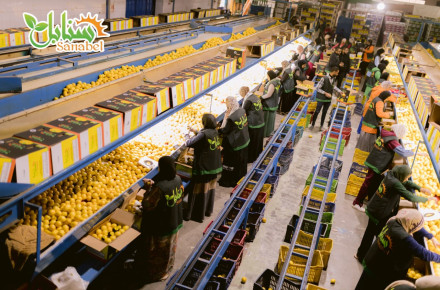
Egyptian citrus is globally recognized for its quality, freshness, and long shelf life. Behind every successful shipment lies a carefully managed process that ensures fruits meet international standards before reaching global markets. This article walks importers through the full journey of Egyptian citrus — from harvesting to final shipment.
Egyptian Citrus Standards: What Importers Should Know
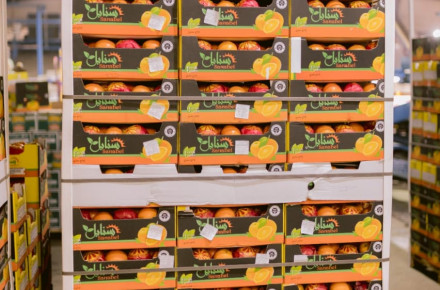
Egyptian citrus fruits, especially oranges and lemons, have gained strong recognition in international markets due to their quality, freshness, and compliance with global export standards. For importers seeking reliable suppliers, understanding these standards is essential when choosing the right export partner.

Safety First: How Sanabel Ensures Compliance with Global MRL Standards
In the world of agricultural export, quality is not just about the size or color of the fruit; it is about what’s inside. At Sanabel, the health and safety of the end consumer are our top priorities. This is why we implement a rigorous system to manage Maximum Residue Limits (MRLs), ensuring our produce is safe, healthy, and compliant with international regulations.
Zesty & Fresh: The Secret Behind Sanabel’s Premium Egyptian Lemons
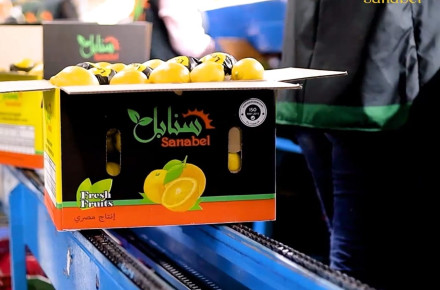
When life gives Egypt perfect weather, we grow the finest lemons in the world. At Sanabel, we understand that lemons are a staple in every kitchen and a vital ingredient in various industries. That is why we are committed to exporting only the juiciest, most vibrant, and aromatic lemons to our global partners.


