

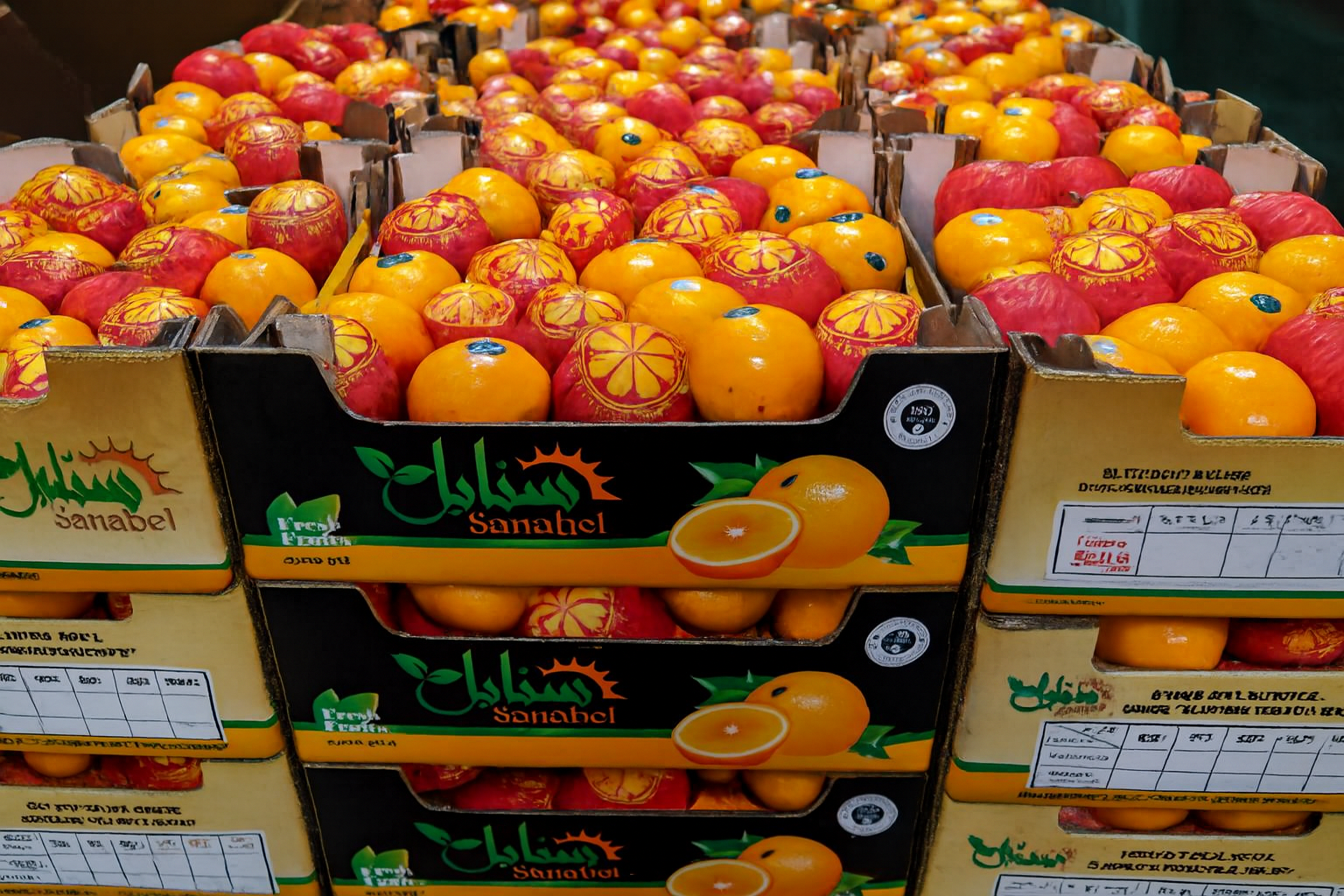
In today’s competitive fresh fruit export market, standing out is more important than ever. While quality, taste, and freshness are essential, the way products are presented to buyers can make a significant difference. This is where private label packaging comes into play. Private label packaging allows exporters to provide customized branding for their fruit products, offering a unique identity that can appeal to retailers, distributors, and end consumers. For exporters like SANABEL, private label solutions are an effective strategy to enhance brand recognition, build strong partnerships, and penetrate international markets.
This article explores the concept of private label packaging, its benefits, how it is implemented in the fruit export industry, and tips for exporters to maximize its effectiveness.
1. What is Private Label Packaging?
Private label packaging refers to the practice of selling products under a retailer’s or client’s brand rather than the exporter’s own brand. In the context of fruit exports:
Customized Branding: Packaging is designed with the importer’s or retailer’s logo, colors, and brand guidelines.
Market Differentiation: Fruits are presented in a way that stands out on supermarket shelves or wholesale markets.
Flexibility: Exporters can offer multiple designs, sizes, and materials according to client specifications.
Private labeling has become increasingly popular in global fruit markets, especially for citrus, mangoes, grapes, and other high-demand fruits. Retailers often prefer to sell products under their own brand to create a sense of exclusivity and loyalty among consumers.
2. Benefits of Private Label Packaging in Fruit Exports
- Strengthens Buyer Relationships
Offering private label packaging shows that the exporter is willing to collaborate closely with importers or retailers. This level of service enhances trust and fosters long-term partnerships.
- Enhances Product Presentation
Well-designed packaging improves the overall appearance of the fruit. Consumers are naturally drawn to aesthetically appealing products, and supermarkets favor visually attractive options. This can result in higher sales and repeat orders.
- Provides Competitive Advantage
In crowded international markets, private label packaging helps distinguish products from competitors. Fruits that are uniquely branded and professionally packaged often command better pricing and enjoy stronger market presence.
- Flexibility and Customization
Exporters can offer a variety of packaging options, including cartons, plastic crates, and eco-friendly materials. Each package can be customized to suit the retailer’s target market, size preferences, and branding strategy.
3. Implementation in the Fruit Export Industry
Implementing private label packaging requires careful planning and execution:
- Design and Branding
Work closely with the importer or retailer to create a package design that aligns with their brand image.
Include clear labeling with product information, origin, handling instructions, and quality certifications.
Ensure that the design meets both marketing goals and regulatory requirements for the target market.
- Packaging Material Selection
Carton Boxes: Lightweight, ventilated, and cost-effective, suitable for citrus and firm fruits.
Plastic Crates: Durable and reusable, ideal for delicate fruits such as mangoes or grapes.
Eco-Friendly Options: Recyclable or biodegradable materials appeal to environmentally conscious consumers.
Selecting the right material ensures product safety, quality, and visual appeal.
- Quality Control
Quality control is critical in private label packaging:
Inspect fruits for defects and sort them according to size and quality.
Monitor Brix levels for optimal sweetness in citrus and other fruits.
Ensure that packaging protects the fruits during transport and maintains freshness.
Attention to detail in quality control helps exporters maintain the reputation of both their own and the retailer’s brand.
4. Private Label Packaging Trends in International Markets
Private label packaging in the fruit industry has evolved to meet global consumer expectations:
Sustainable Packaging: Many importers and retailers prefer recyclable or biodegradable materials.
Minimalist Designs: Clean, simple packaging with a focus on product transparency appeals to modern consumers.
Enhanced Visual Appeal: Colorful, high-quality printing and professional graphics increase shelf attractiveness.
Informative Labels: Including nutritional information, farm origin, and certifications builds consumer trust.
Exporters who stay updated with these trends are better positioned to meet importer demands and grow their market share.
5. Challenges and Considerations
While private label packaging offers many benefits, there are challenges to consider:
Higher Initial Costs: Designing and producing customized packaging can be more expensive than standard options.
Coordination with Buyers: Requires close collaboration with importers to meet branding and regulatory requirements.
Inventory Management: Maintaining multiple packaging designs for different clients may require careful planning and storage solutions.
Compliance: All private label packaging must adhere to international food safety and labeling regulations.
Despite these challenges, the advantages of increased market presence, brand recognition, and stronger buyer relationships outweigh the costs.
6. Tips for Exporters Using Private Label Packaging
Know Your Market: Understand the preferences and expectations of the target market before designing packaging.
Prioritize Quality: Ensure that fruits are carefully sorted, graded, and packed to maintain consistency.
Collaborate with Clients: Work closely with importers or retailers to ensure packaging meets their branding and marketing needs.
Stay Compliant: Follow international labeling, safety, and quality standards to avoid regulatory issues.
Balance Cost and Benefit: Choose packaging materials that protect the product, satisfy buyers, and maintain cost efficiency.
By following these best practices, exporters can successfully implement private label packaging and strengthen their position in international markets.
7. Conclusion
Private label packaging is a powerful tool in the fruit export industry. It allows exporters to offer customized branding solutions, enhance product presentation, and build stronger relationships with international buyers. For exporters like SANABEL, investing in private label solutions ensures that fruits like citrus, mangoes, grapes, and other high-demand products reach international markets with consistent quality, professional presentation, and maximum appeal.
By combining premium fruit quality with strategic packaging and branding, exporters can gain a competitive edge, improve market penetration, and deliver added value to their clients worldwide. In a global marketplace where appearance, freshness, and brand identity matter, private label packaging is no longer just an option—it is a necessity for successful fruit export businesses.
Recent Posts
The latest information about shipping services and our promotions
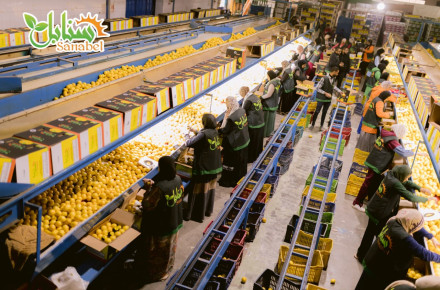
From Farm to Shipment: How Egyptian Citrus Is Prepared for Export
Egyptian citrus is globally recognized for its quality, freshness, and long shelf life. Behind every successful shipment lies a carefully managed process that ensures fruits meet international standards before reaching global markets. This article walks importers through the full journey of Egyptian citrus — from harvesting to final shipment.
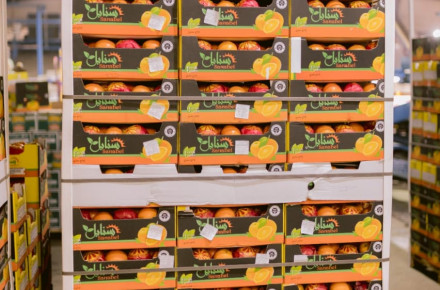
Egyptian Citrus Standards: What Importers Should Know
Egyptian citrus fruits, especially oranges and lemons, have gained strong recognition in international markets due to their quality, freshness, and compliance with global export standards. For importers seeking reliable suppliers, understanding these standards is essential when choosing the right export partner.

Safety First: How Sanabel Ensures Compliance with Global MRL Standards
In the world of agricultural export, quality is not just about the size or color of the fruit; it is about what’s inside. At Sanabel, the health and safety of the end consumer are our top priorities. This is why we implement a rigorous system to manage Maximum Residue Limits (MRLs), ensuring our produce is safe, healthy, and compliant with international regulations.
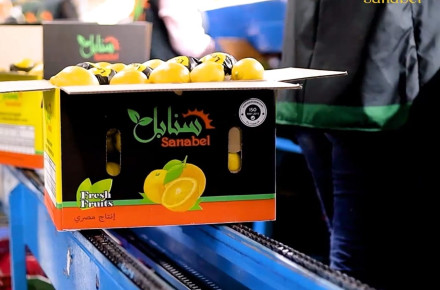
Zesty & Fresh: The Secret Behind Sanabel’s Premium Egyptian Lemons
When life gives Egypt perfect weather, we grow the finest lemons in the world. At Sanabel, we understand that lemons are a staple in every kitchen and a vital ingredient in various industries. That is why we are committed to exporting only the juiciest, most vibrant, and aromatic lemons to our global partners.


